Micro-Resets for Everyday Calm

Welcome. Here we explore Micro-Resets for Everyday Calm—small, science-informed moments that interrupt stress, restore perspective, and make space for steadier choices. In minutes or even seconds, you can breathe, notice, move, and reorient, without special tools or perfect conditions. Expect practical steps, brief explanations of why they work, and real-life stories you can adapt. Save a few, try them today, and tell us which ones fit your life so we can learn, refine, and grow calm together.

Interrupting the Stress Spiral

When tension surges, quick practices can shift physiology and attention before worry compounds. These brief interruptions harness breath, muscle release, and sensory grounding to lower arousal and widen perspective. Even sixty to ninety seconds can tilt your nervous system toward steadier rhythms, making the next decision clearer and kinder.

Sixty-Second Breath Ladder

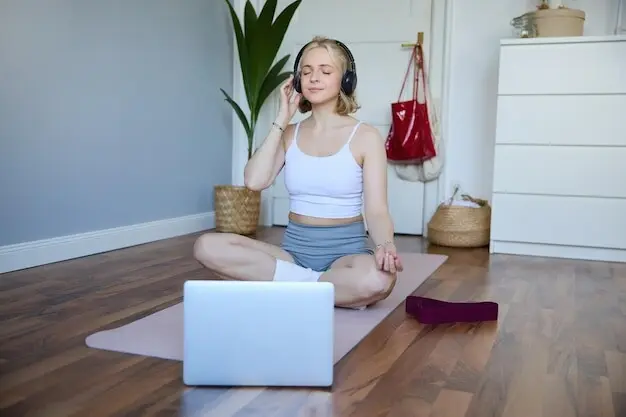
Inhale for four, exhale for six, then repeat while gently lengthening the exhale by a beat if comfortable. Picture descending a ladder with each out-breath. Longer exhales nudge the vagus nerve, softening heart rate and tension. If thoughts race, let them pass like weather, returning to counting without judgment.

Name-Three-Things Grounding

Quietly notice three things you can see, two you can feel against your skin, and one you can hear. Whisper them or note them mentally. This simple sensory sweep pulls attention out of rumination and into the present body, calming the amygdala’s urgency and brightening clarity within moments.

Mini Stretch and Release

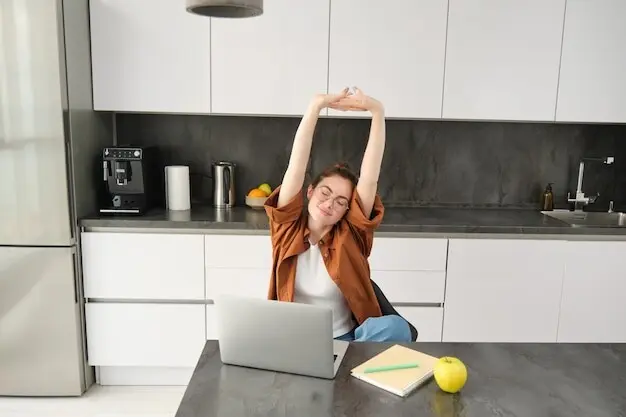
Roll shoulders up, back, and down; unclench your jaw; gently press tongue to the roof of your mouth, then soften. Interlace fingers, reach up, exhale, and shake out hands. Muscle relaxation sends safety signals upstream, easing cognitive tightness. Let the movement be minimal yet deliberate, honoring limits and any pain.

Science That Makes It Stick

The Vagus Nerve, Briefly

Your vagus nerve helps regulate heart rate and digestion while relaying cues of safety to the brain. Slow, extended exhales and gentle humming stimulate it, promoting calm. You do not need perfect technique—consistency matters more. Aim for easy, sustainable breaths that feel kind, and let benefits accumulate quietly.

Dopamine and Tiny Wins

Completing something small gives a modest dopamine lift, increasing motivation to repeat it. Celebrate micro-milestones—one minute of breathing, a brief walk, a single unclenching. That acknowledgement anchors progress, countering all-or-nothing thinking. Over days, tiny victories snowball into trustworthy habits that meet stress early, not after exhaustion arrives.

State-Dependent Memory Cues

We recall skills best in contexts where we practiced. Pair a chosen pause with specific moments: the kettle’s boil, calendar alerts, doorways, even a ringtone. Repeating the same action at the same cue teaches your body to switch states quickly, turning everyday signals into supportive, calming prompts on demand.

Morning, Midday, Evening

Different moments invite different approaches. Early hours benefit from gentle activation without overload. Midday asks for focus refreshers between obligations. Evenings prefer softness that releases the day. Designing a few reliable practices for each period builds rhythm, reduces decision fatigue, and keeps steadiness available even during surprising disruptions.

Workspace and Home Cues

Anchor Objects

Place a smooth stone, elastic band, or favorite pen where your eyes land often. Touch becomes a cue: breathe once, unclench jaw, revisit intention. The object gathers meaning through repetition, turning into a portable lighthouse that guides attention home even during deadlines, noise, and unexpected emotional weather.

Tiny Timers

Use a thirty- or sixty-second chime, not a punishing alarm. When it sounds, perform your chosen pause, then return. Such gentle metronomes cultivate rhythm without resentment. If alarms annoy, pair resets with natural timers: coffee dripping, file loading, handwashing, or elevator doors. External rhythms become internal steadiness.

Frictions and Favors

Make helpful actions easier: keep a water bottle filled, cushion nearby, shoes by the door. Make unhelpful loops harder: bury distracting apps, move snacks away, disable autoplay. You are designing paths of least resistance so calm acts win by default when motivation dips or decisions crowd together.

On the Move

Calm does not require quiet rooms. Transit, sidewalks, and lines become practice spaces. Walking changes brain chemistry, breath can synchronize with steps, and small posture shifts lift mood. By using ordinary motion as a cue, you transform errands into training, multiplying chances to recover clarity throughout your day.
Each time the light turns red, exhale a little longer than you inhale, relax shoulders, and soften your gaze. Instead of simmering impatience, you rehearse recovery. Over weeks, traffic becomes a classroom where pauses accumulate, and you arrive less depleted, with more patience left for people you value.
On buses or trains, alternate attention: thirty seconds on breath, thirty on sounds, thirty on sensations in your feet, then repeat. This playful rotation interrupts rumination, builds attentional flexibility, and turns travel time into gentle training that carries over when surprises demand calm, clear, responsive choices.
Take one flight at a comfortable pace, then stand tall, inhale through the nose, and slowly extend your exhale. Light effort plus paced breathing refreshes energy without jitter. If stairs are not accessible, stand and calf-raise. The point is rhythmic movement that brightens focus while honoring your body’s limits.

From Solo to Social

Shared pauses strengthen relationships and accountability. When teams, partners, or families practice together, emotions feel less private and more workable. Brief co-regulation—syncing breath or naming feelings—can de-escalate conflict and upgrade collaboration. You create cultures where composure is normal, kindness is strategic, and recovery belongs to everyone, every day.

Tracking, Motivation, and Compassion

Lasting calm grows from gentle consistency, not heroic streaks. Track lightly, celebrate tiny progress, and treat misses as data. Curiosity beats judgment. Share what works with friends or colleagues to stay inspired. Over months, the smallest reliable actions compound into meaningful steadiness that supports your values under pressure.

One-Line Log

Each evening, write a single sentence: what you tried, when, and how it felt. Keep it scrappy and honest. This builds awareness without pressure, revealing patterns and favorite cues. A simple log outperforms perfect plans because it travels easily through real life’s changing conditions and competing demands.

Tiny Celebrations

After any brief practice, smile, stretch fingers, or whisper “nice job.” That micro-celebration marks completion in your nervous system, reinforcing repetition. It may feel small, even silly, yet it teaches your brain that calm is rewarding now, not only later. Joy is practical; appreciation is powerful training.
Mirafaritelivexo
Privacy Overview

This website uses cookies so that we can provide you with the best user experience possible. Cookie information is stored in your browser and performs functions such as recognising you when you return to our website and helping our team to understand which sections of the website you find most interesting and useful.